

Improving Oral Health Naturally with Oil Pulling and Homemade Remedies
Oral health plays a crucial role in overall well-being, yet many people overlook natural ways to maintain a healthy mouth. Instead of relying solely on commercial products filled with chemicals, you can explore simple, natural methods that support your teeth and gums. Two effective approaches are oil pulling and homemade remedies using natural ingredients. These methods have been used for centuries and continue to gain popularity for their gentle yet powerful benefits.
This post will guide you through how oil pulling works, the best oils to use, and practical homemade remedies to improve your oral health naturally. You’ll also find tips on integrating these practices into your daily routine for lasting results.
What Is Oil Pulling and How Does It Help?
Oil pulling is an ancient practice rooted in Ayurvedic medicine. It involves swishing oil in your mouth for about 10 to 20 minutes to remove bacteria, reduce plaque, and promote fresh breath. The oil acts like a cleanser, pulling toxins and harmful microbes from your teeth and gums.
How Oil Pulling Works
The oil mixes with saliva and spreads throughout the mouth.
It traps bacteria and debris, which are then expelled when you spit out the oil.
This process reduces the number of harmful bacteria that cause cavities, gum disease, and bad breath.
Scientific studies suggest that oil pulling can reduce plaque and gingivitis when done regularly. While it should not replace brushing and flossing, it can be a helpful addition to your oral care routine.
Best Oils for Oil Pulling
Coconut oil: Popular for its pleasant taste and antimicrobial properties due to lauric acid.
Sesame oil: Traditionally used in Ayurveda, it has anti-inflammatory and antibacterial effects.
Sunflower oil: Another traditional choice with mild flavor and cleansing benefits.
Coconut oil is often preferred because it solidifies at room temperature, making it easy to measure and swish. It also has a naturally sweet taste that many find pleasant.
How to Practice Oil Pulling Safely and Effectively
To get the most from oil pulling, follow these simple steps:
Choose your oil: Start with about one tablespoon of coconut, sesame, or sunflower oil.
Swish gently: Move the oil around your mouth for 10 to 20 minutes. Avoid swallowing the oil as it contains bacteria and toxins.
Spit it out: Dispose of the oil in the trash to avoid clogging pipes.
Rinse your mouth: Use warm water or salt water to rinse thoroughly.
Brush your teeth: Follow up with your regular brushing routine.
Try to do oil pulling in the morning before eating or drinking for best results. Consistency is key; many people notice improvements after a few weeks of daily practice.
Homemade Remedies to Support Oral Health
Alongside oil pulling, natural homemade remedies can strengthen your teeth and gums. These remedies use ingredients you may already have in your kitchen.
Salt Water Rinse
Salt water is a simple and effective way to reduce inflammation and kill bacteria.
Mix half a teaspoon of salt in a glass of warm water.
Swish the solution in your mouth for 30 seconds.
Spit it out and repeat twice daily.
Salt water helps soothe sore gums and promotes healing after dental procedures.
Baking Soda Paste
Baking soda neutralizes acids in the mouth and gently polishes teeth.
Mix a small amount of baking soda with water to form a paste.
Brush your teeth with this paste once or twice a week.
Avoid daily use to prevent enamel erosion.
This remedy can help whiten teeth and freshen breath naturally.
Herbal Mouthwash
Certain herbs have antibacterial and anti-inflammatory properties.
Boil water and steep herbs like chamomile, peppermint, or sage for 10 minutes.
Let the tea cool and use it as a mouth rinse.
Use daily or as needed to reduce gum inflammation and freshen breath.
Herbal rinses provide a chemical-free alternative to commercial mouthwashes.
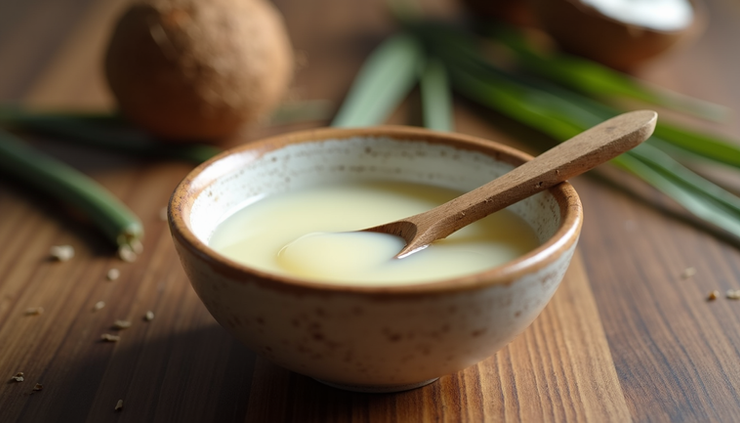
Coconut oil is a popular choice for oil pulling due to its antimicrobial properties and pleasant taste.
Benefits of Using Natural Products for Oral Care
Choosing natural products and remedies offers several advantages:
Fewer chemicals: Avoid exposure to artificial additives and preservatives.
Cost-effective: Many natural ingredients are inexpensive and easy to find.
Gentle on teeth and gums: Natural remedies tend to be less abrasive.
Supports overall health: Reducing harmful bacteria in the mouth can lower inflammation throughout the body.
Natural oral care methods complement traditional dental hygiene and can improve your oral environment over time.
Tips for Integrating Natural Oral Care into Your Routine
Start with oil pulling in the morning before breakfast.
Use homemade salt water rinses after meals if possible.
Replace commercial mouthwash with herbal rinses.
Limit sugary and acidic foods that damage enamel.
Maintain regular brushing and flossing habits.
Visit your dentist regularly for checkups and professional cleanings.
Consistency and patience are essential. Natural remedies work gradually but can lead to healthier teeth and gums without harsh chemicals.
Oral health is a vital part of your overall wellness. By incorporating oil pulling and homemade natural remedies into your daily routine, you can reduce harmful bacteria, soothe gums, and freshen breath in a gentle, cost-effective way. These practices support your body’s natural balance and help maintain a clean, healthy mouth.
Try adding oil pulling and a few simple homemade remedies to your oral care routine. Over time, you may notice a brighter smile and improved oral comfort. For personalized advice, always consult your dental professional.
Your next step is to pick your favorite oil and start swishing tomorrow morning. Small changes can lead to big improvements in your oral health.



Comments